
Tree Thinning in Telluride, Colorado: Healthier Forests, Lower Wildfire Risk
By Fire Guard LLC
Defensible Space | Residential & Commercial | Beetle Kill Removal | Free Estimates
The forests around Telluride are under pressure from drought, mountain pine beetle, and more than a century of fire suppression that has pushed tree densities well above their historical range. Overcrowded forests on steep slopes are a specific hazard: they burn ferociously, generate firebrands that carry embers onto structures, and leave almost no margin for firefighters to work. Professional tree thinning restores the open, resilient forest structure that reduces fire risk and improves the health of the trees you keep.
What Is Tree Thinning and Why Is It Necessary?
Tree thinning is the selective removal of trees from a stand to reduce overall density, improve the health and vigor of remaining trees, and for wildfire mitigation purposes, reduce the horizontal continuity of fuels that allows fire to spread rapidly through a forest canopy.
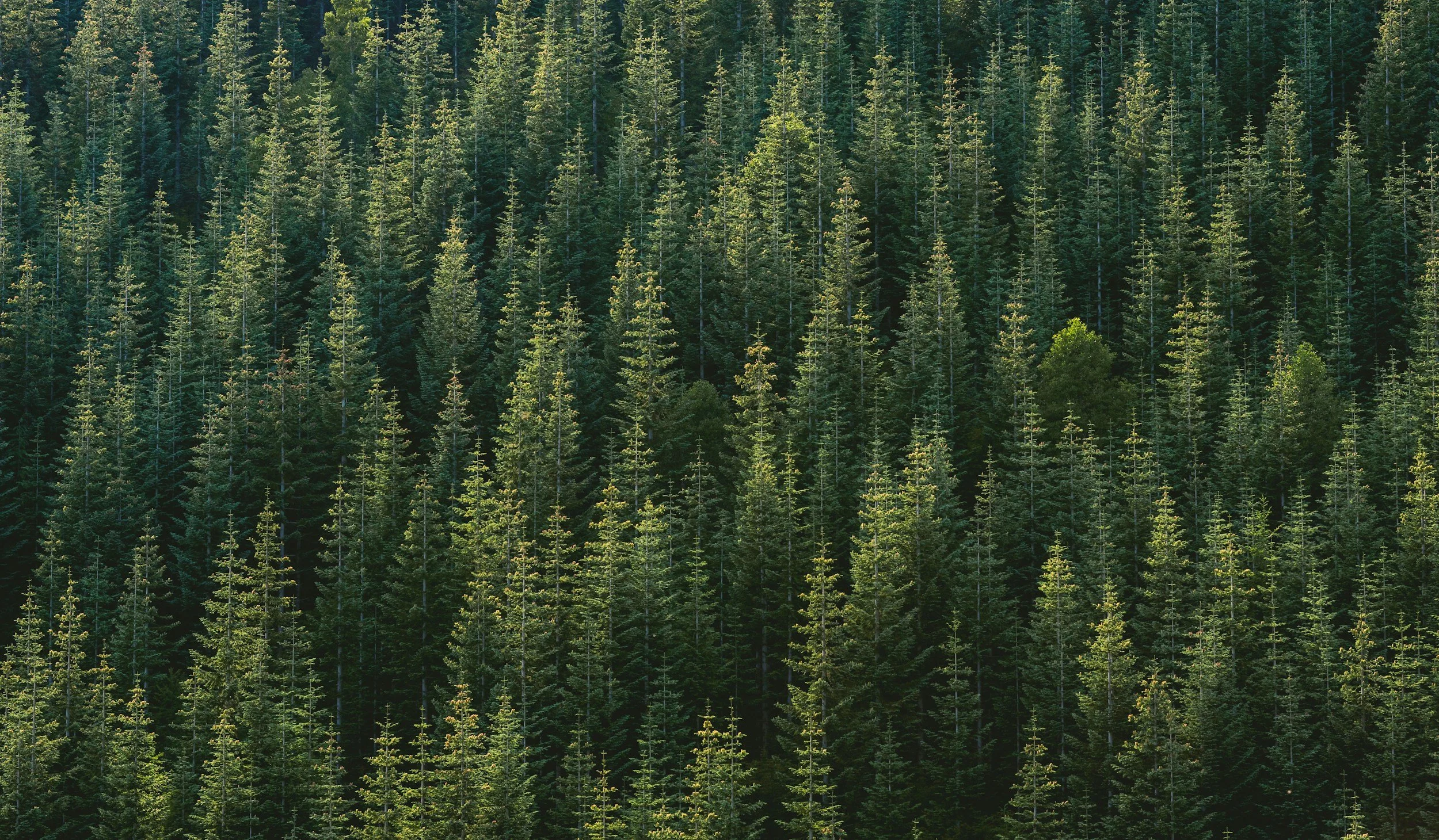
Before settlement, the forests of the San Juan Mountains were shaped by natural processes that maintained lower tree densities. Fire suppression since the early 1900s eliminated that process entirely. The result is visible on the slopes above Telluride: dense stands of spruce, fir, and beetle-killed pine competing for limited water, with stressed root systems and dangerous fuel loads. Tree thinning restores what was once maintained naturally.
“A forest thinned to historic density is more fire-resistant, more drought-tolerant, and more beautiful than the overcrowded stands most Southwest Colorado property owners have inherited. ”
What Can Tree Thinning Service Include
Fire Guard LLC's tree thinning service is comprehensive. Every project depends on the property, homeowner goals, insurance and more. Every project has the option to include:
Site Assessment and Spacing Plan
Before cutting begins, Fire Guard LLC assesses existing tree density, species composition, beetle kill extent, proximity to structures, slope and aspect, and your goals for the land. We develop a thinning plan that specifies which trees to remove and which to retain. This assessment is free.
Selective Removal of Priority Trees
Not all trees are equal candidates for removal. Our thinning prioritization focuses on:
Mountain pine beetle-killed trees — grey, dry, and highly combustible. Priority removal near structures and in dense groupings.
Diseased and declining trees — dwarf mistletoe-infected trees, Ips beetle-attacked pines, and trees with significant crown die-back.
Suppressed and overcrowded trees — smaller trees growing in the shade of dominant trees, which are weaker, more stressed, and less likely to survive competition without intervention.
Trees creating canopy continuity — specific trees whose crown position links separated groups and enables horizontal fire spread.
Crown Spacing Verification
After removal, we verify that remaining trees meet appropriate crown-to-crown spacing for your zone designation. Colorado State Forest Service guidelines call for a minimum of 10 feet between crowns in Zone 2 (30–100 ft from structures), and greater spacing on slopes. On a 30% slope, which describes much of Telluride's residential terrain, the horizontal equivalent of 10-foot crown spacing may require 15–20 feet of actual distance between trunks. We account for these slope adjustments in every thinning project.
Slash Management and Removal
Thinning creates significant volumes of cut material, limbs, trunks, and tops that must be managed carefully. We chip, haul, or otherwise dispose of all slash generated by our thinning work. Leaving slash piles on site is less than optimal: they represent concentrated, ready-to-burn fuel that dramatically increases rather than reduces your fire risk.
Why Tree Thinning near Telluride is Different from Lower-Elevation Work
Elevation and Fuel Moisture
Telluride sits above 8,700 feet. Spruce-fir forests at this elevation retain higher fuel moisture earlier in the season than lower-elevation ponderosa pine forests. But when they dry out, they burn hot and carry fire into the canopy rapidly. Thinning at this elevation focuses on reducing the volume and density of standing fuel before the late-summer drying window opens.
The subalpine fuel mosaic around Telluride also creates a compounding risk: when drought years align with high beetle-kill density and low monsoon moisture, the window between "trees are green" and "trees are burning" can compress to a matter of weeks. Thinning projects completed before that window opens provide the most protection.
Slope-Driven Fire Spread
The terrain above Telluride is steep, and steep terrain dramatically accelerates fire spread. A thinned forest on a 40% slope still presents real risk, but it burns slower and generates fewer firebrands than an unthinned stand. Every degree of thinning buys time for evacuation and for firefighters to position effectively.
HOA and Mountain Village Requirements
Mountain Village and many Telluride-area HOAs have adopted vegetation management and defensible space standards. Tree thinning is often a specific requirement for properties within designated wildfire hazard zones. Fire Guard LLC is familiar with these local standards and can document completed work for HOA and county compliance purposes.
What Wildfire Risk Tools Show about Telluride and San Miguel County
Modern wildfire risk assessment tools like Zonehaven, Firescope, and the USFS Wildfire Hazard Potential (WHP) mapping system are used to predict risk, model fire behavior, and prioritize mitigation. They consistently rate large portions of San Miguel County as Very High or Extreme wildfire hazard. The terrain around Telluride amplifies that rating: steep canyon walls channel wind unpredictably, the forested slopes above town hold dense spruce-fir and aspen stands, and the Telluride Box Canyon creates natural chimney conditions during upslope wind events.
Insurance carriers using satellite imagery and machine learning tools from Verisk and Cape Analytics are flagging Telluride-area properties for elevated premiums and, in some cases, non-renewal. Documented tree thinning with visible defensible space is increasingly the difference between maintaining coverage and losing it.
The practical implication: tree thinning & fire mitigation that creates measurable, visible defensible space. It's increasingly a financial necessity, affecting your insurability, your property value, and your community's emergency response options. Fire Guard LLC has all of the tools and resources to help protect your home.
Want to see Where Your Home is on the Map? Click the Button Below to Learn More
Why Fire Guard Colorado?

Fire Guard Colorado is owned and operated by Sam Tyler, a certified Fire Mitigation Specialist with a degree in Fire Science and five years of wildland fire experience. His background on the fire line gives him direct knowledge of how wildfires spread and what actually helps firefighters defend homes.
Sam currently serves with the Telluride Fire Protection District, which means he knows the terrain around your property, the access challenges on Telluride's steep canyon walls, and the fuel conditions that local crews respond to every season. He also has eight years of experience with the Ouray Fire Department. When you hire Fire Guard Colorado, you're working with someone who will be on the fire line if a wildfire ever threatens your neighborhood.
Fire Guard LLC serves Telluride, Mountain Village, and surrounding San Miguel County properties. Service also extends throughout Southwest Colorado, including Ouray, Ridgway, Norwood, Montrose, and Delta, and an extended service area covering La Plata County (Durango, Bayfield, Ignacio), Archuleta County (Pagosa Springs), Montezuma and Dolores Counties (Cortez, Dolores, Mancos), and San Juan County (Silverton). We work on residential lots, multi-acre parcels, ranch land, HOA common areas, and commercial properties.
Frequently Asked Questions: Tree Thinning in Southwest Colorado
-
Thinning is nothing like clear-cutting. Clear-cutting removes all or nearly all trees from an area. Wildfire mitigation thinning is selective, we typically remove 30–50% of trees in overcrowded stands, leaving a healthy, well-spaced forest that often looks dramatically more open and beautiful than the crowded stand we started with. Clients frequently tell us the property looks better after thinning than it has in decades.
-
The primary species we thin on Southwest Colorado properties include ponderosa pine, lodgepole pine, Engelmann spruce, Douglas-fir, subalpine fir, and blue spruce. We also manage Gambel oak thickets as part of combined thinning and brush clearing projects. Each species has different spacing requirements and fire behavior characteristics our team has extensive local experience with all of them.
-
Small residential properties (under 3 acres) often take 1–3 days. Larger acreages and ranch properties are scheduled based on a site assessment. We'll provide a realistic timeline and work to minimize disruption to your property and routine.
-
Not necessarily. Once the thinning plan is agreed upon and marked, our crew can work independently. We photograph the work and check in at key stages. Many clients prefer this approach. You come back to a transformed property without dealing with the logistics of the workday.