

Fire Mitigation

Fire mitigation is incredibly important for your property. By clearing brush and taking preventative measures, you significantly reduce the risk of wildfires that can devastate homes and businesses. Our services at Fire Guard LLC not only ensure your property is compliant with local regulations but also provide you with peace of mind knowing that you have taken necessary steps to protect your investment. Trust our expertise to safeguard your property against the threat of wildfires and keep your surroundings safe for your loved ones and community.
What is Fire Mitigation?
Fire mitigation is the process of physically changing the vegetation and environment around a home to reduce the threat of wildfire. The goal isn't to make a property "fireproof," but rather to create defensible space (a buffer that slows a fire's progress and gives firefighters a safe place to stand and defend your structure).
Effective mitigation focuses on breaking up the "fuel" that the fire needs to spread. Professional fire mitigation companies offer a variety of services designed to reduce wildfire fuel around properties. Each service addresses a different aspect of wildfire risk. Great News: We offer all of these in our suite of services.
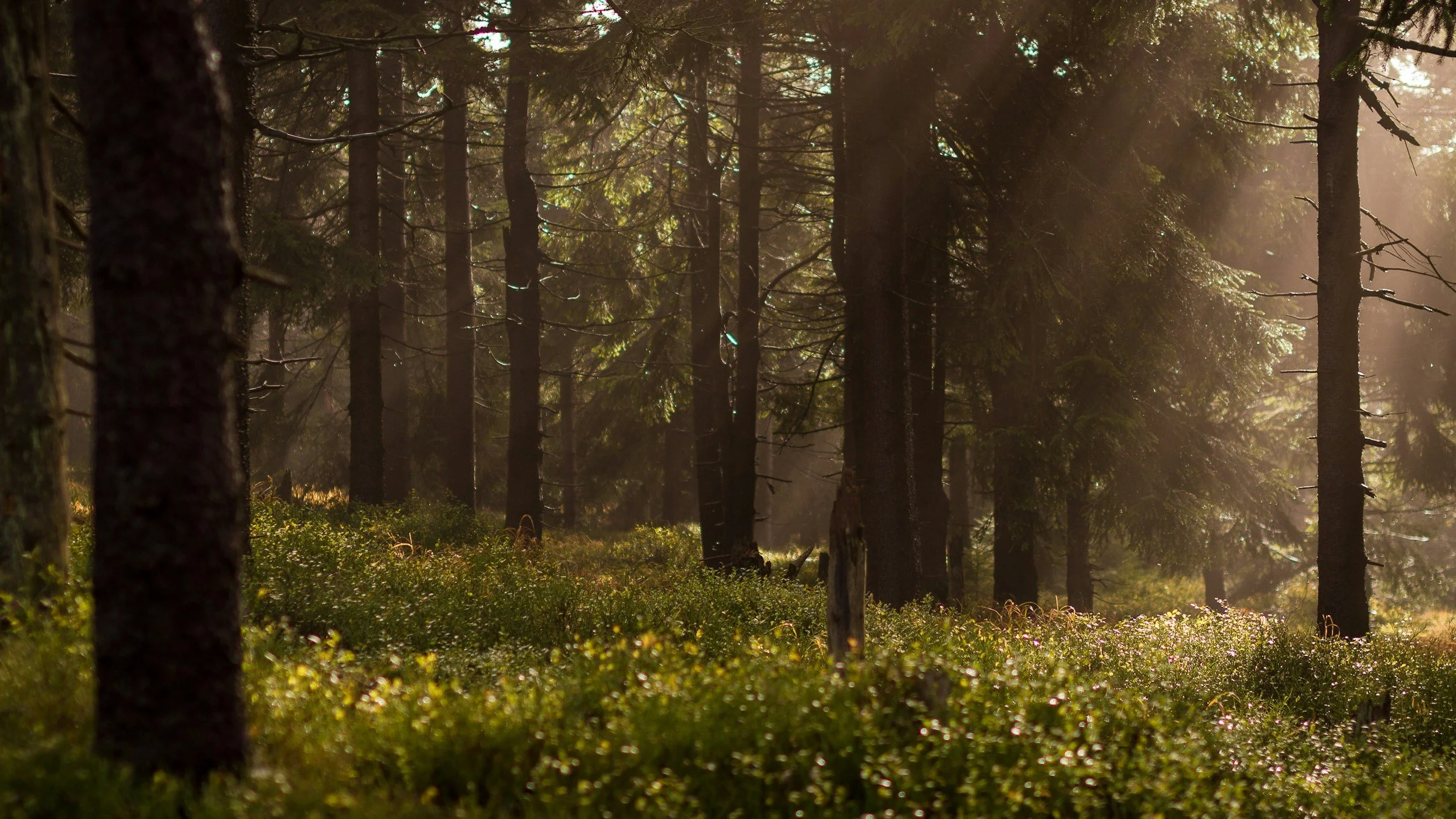
Tree Thinning
Forested properties often have trees growing too closely together. Thinning removes select trees to create space between tree canopies, slowing wildfire spread.
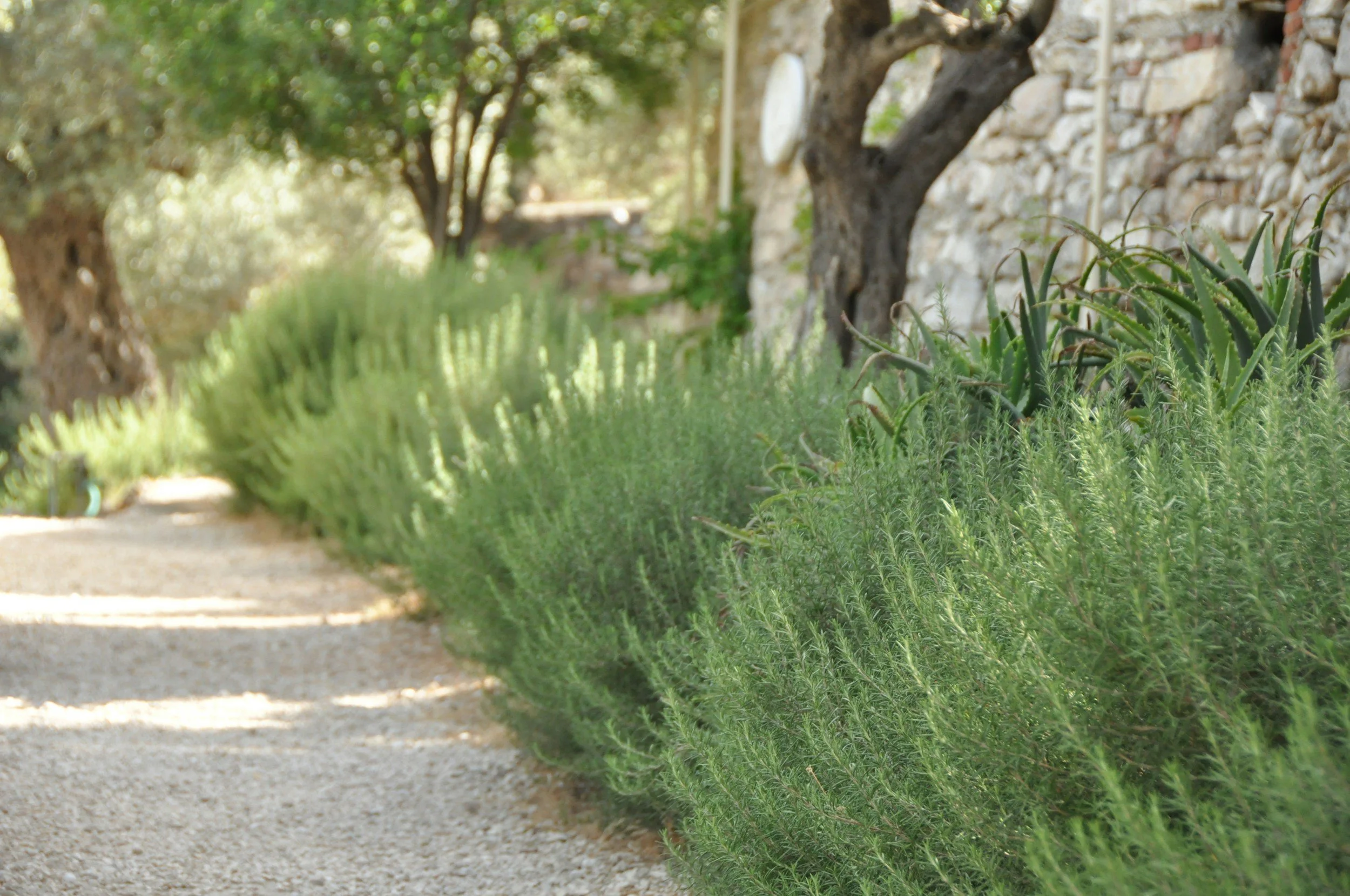
Brush Clearing
Brush and dense shrubs are highly flammable. Removing these materials reduces the amount of fuel available to wildfire.
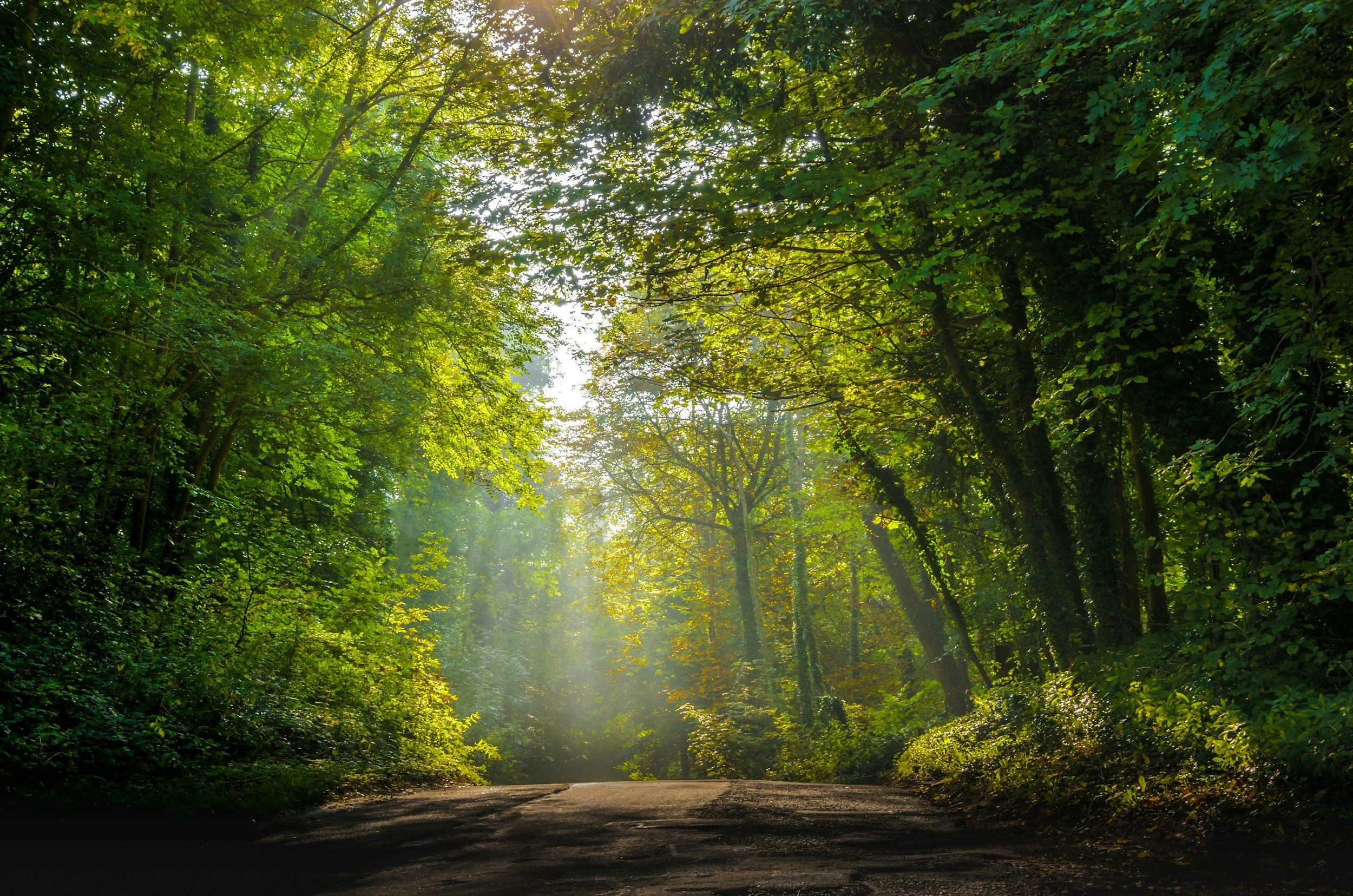
Ladder Fuel Removal
Ladder fuels allow fire to climb from the ground into tree canopies. Removing ladder fuels prevents wildfires from turning into fast-moving crown fires.
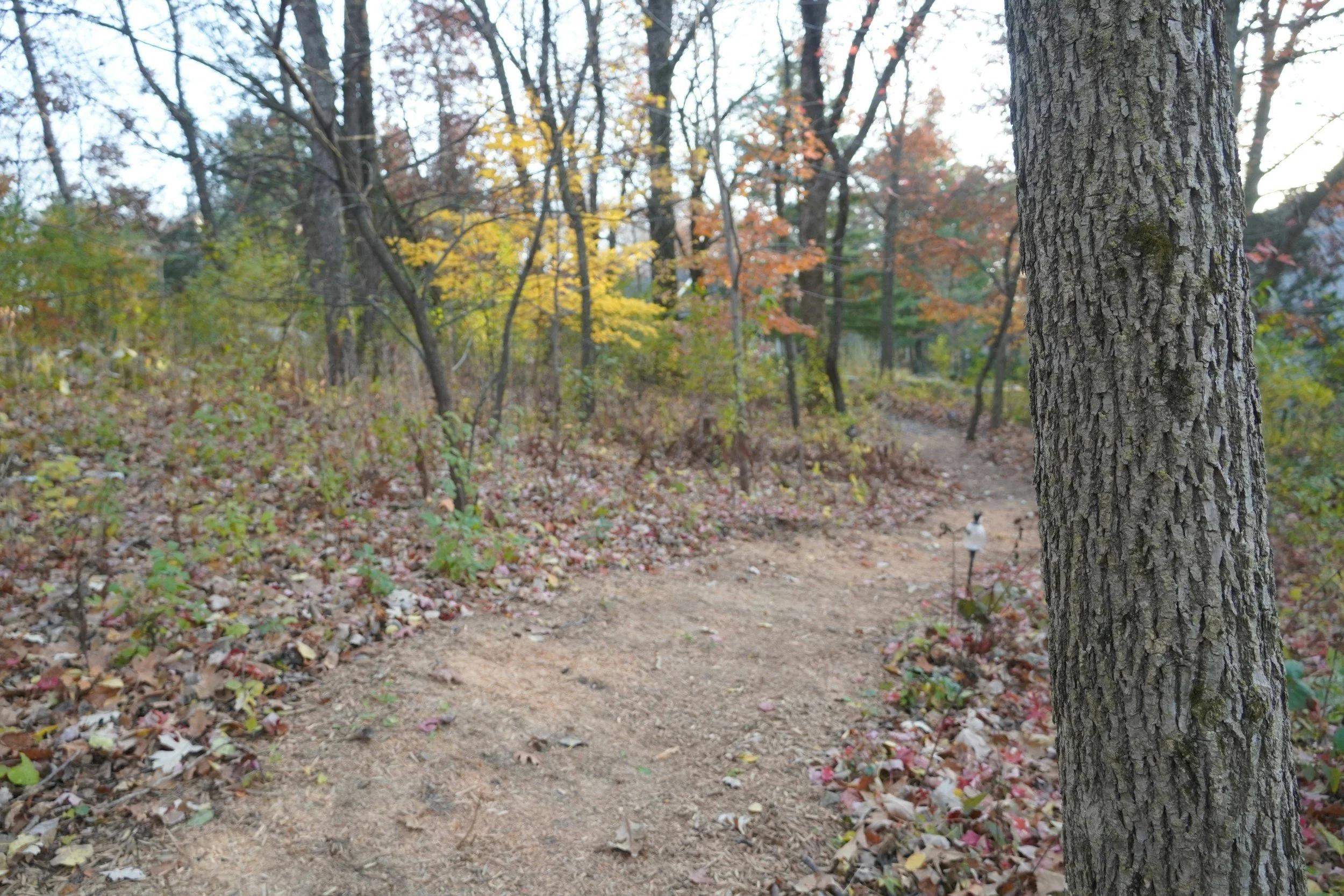
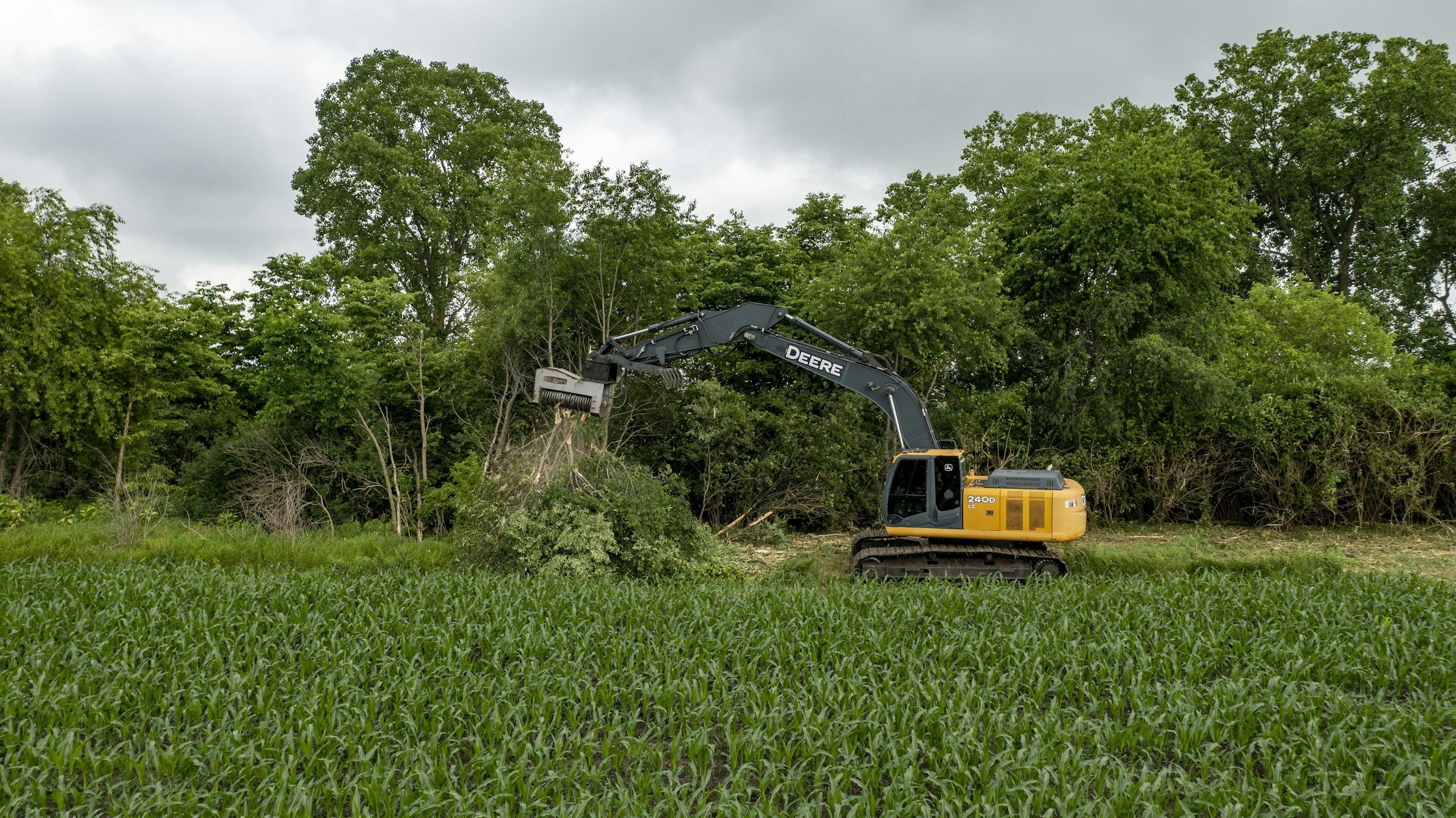
Forestry Mulching
Specialized equipment can grind vegetation into mulch. This method allows large areas of brush to be cleared efficiently.
Debris and Slash Removal
After vegetation is cut, leftover debris must be managed. This may include chipping, hauling, or other disposal methods.

Excavation
We offer comprehensive road maintenance and building services to ensure safe and efficient access to residential and commercial properties in South Western Colorado.
Who Needs Fire Mitigation?
Fire mitigation is most commonly used by homeowners who live in areas where natural vegetation meets residential development. This area is known as the wildland-urban interface, and it is where wildfire risk is highest. Fire mitigation services are becoming less of a specialty service and more of a standard part of responsible property ownership in wildfire-prone areas. People who commonly benefit from fire mitigation include:
Rural Homeowners
Properties surrounded by forests or natural vegetation often sit near significant wildfire fuel. In regions like La Plata, San Miguel, and Archuleta counties, homes are frequently nestled among high-fuel loads such as dense evergreens and Gambel Oak. For these mountain properties, fire mitigation is essential for protecting the structure and maintaining property value.
Homeowners Concerned about Insurance Coverage
Insurance companies increasingly require defensible space and vegetation management. Without mitigation, some homeowners risk losing their insurance coverage or facing higher premiums.
Property Owners Preparing to Sell
Wildfire risk can impact real estate transactions. Homes with documented mitigation work are often more attractive to buyers and may pass inspections more easily.
Landowners with Large Acreage
Large properties can accumulate significant vegetation over time. Professional mitigation services help manage that fuel safely and efficiently.
"Lock-and-Leave" & Rental Owners
If you own a rental property or a second home, you need a "lock-and-leave" strategy. These owners require low-maintenance defensible space that remains effective and compliant even when they aren't on-site to manage seasonal growth.
Why Insurance Companies Care About Fire Mitigation
Insurance companies closely evaluate wildfire risk when determining coverage for homes in fire-prone areas. Wildfire damage has become one of the most expensive natural disasters for insurers, particularly in Southwest Colorado. Homes with heavy vegetation close to structures may be labeled as high wildfire risk. As a result, some insurers now require homeowners to maintain defensible space before issuing or renewing policies.
To reduce risk, insurance companies often analyze:
vegetation density near homes
tree proximity to structures
slope and terrain
access for fire crews
surrounding wildfire history
Properties that demonstrate proactive mitigation efforts may:
maintain insurance coverage more easily
qualify for better policy terms
avoid sudden cancellations
When Should Fire Mitigation Be Done?
Fire mitigation can be performed during much of the year, but some seasons are more ideal than others. Because vegetation regrows over time, mitigation is not a one-time project. Most properties require maintenance every three to five years. Regular maintenance ensures that defensible space remains effective. Many property owners schedule mitigation work during:
Spring
Spring is a great time to remove vegetation before the peak fire season begins.
Summer
Early summer work can reduce fuel loads before wildfire risk reaches its highest levels.
Fall
Fall is another common time for mitigation because vegetation is easier to manage and wildfire conditions are typically calmer.
How Firefighters View Fire Mitigation
Firefighters responding to wildfires must make rapid decisions about which structures they can safely defend. Several factors influence those decisions, including:
access for fire trucks
available defensible space
vegetation density near the structure
potential escape routes.
Homes with proper mitigation are often easier and safer for firefighters to protect. Defensible space provides room for fire crews to operate equipment and prevent flames from spreading directly to the structure. In many cases, a well-mitigated property can make the difference between firefighters being able to defend a home or having to move on to safer opportunities. Several trends are driving the growing importance of fire mitigation:
longer wildfire seasons
increased drought conditions
expanding development in forested areas
changing insurance policies.
As a result, fire mitigation is likely to become an increasingly standard part of property management. More communities are adopting wildfire-resistant building codes and defensible space requirements. Homeowners who invest in mitigation today will be better prepared for these evolving standards while also protecting their homes and communities.
Why Homeowners Trust Fire Guard Colorado

When it comes to protecting your home from wildfire, experience matters. Fire Guard Colorado is owned and operated by Sam Tyler, a certified Fire Mitigation Specialist with an Associate’s Degree in Fire Science and five years of wildland fire experience. His background on the fire line gives him firsthand knowledge of how wildfires spread and what actually helps firefighters defend homes.
Sam also continues to serve in the fire service, with five years at the Telluride Fire Protection District and eight years with the Ouray Fire Department. That experience gives him a deep understanding of wildfire behavior in Colorado’s mountain environments.
With Fire Guard Colorado, you’re not just hiring someone to clear brush. You’re working with a trained fire professional who understands what firefighters need to protect a home during a wildfire.
Because of this background, Fire Guard Colorado approaches every property the way firefighters do:
Identifying the most likely ignition points
Creating defensible space that firefighters can work in
Reducing fuels that allow fires to spread quickly
It’s also important to understand that fire mitigation is very different from standard landscaping. While a landscaping crew may clear brush or trim trees for appearance, fire mitigation focuses on reducing wildfire fuel and creating defensible space so a fire is less likely to reach or ignite your home. A certified mitigation specialist evaluates things like tree spacing, vegetation density, ladder fuels, slope, and wind exposure that directly impact how fire behaves.